
 Quick Answer
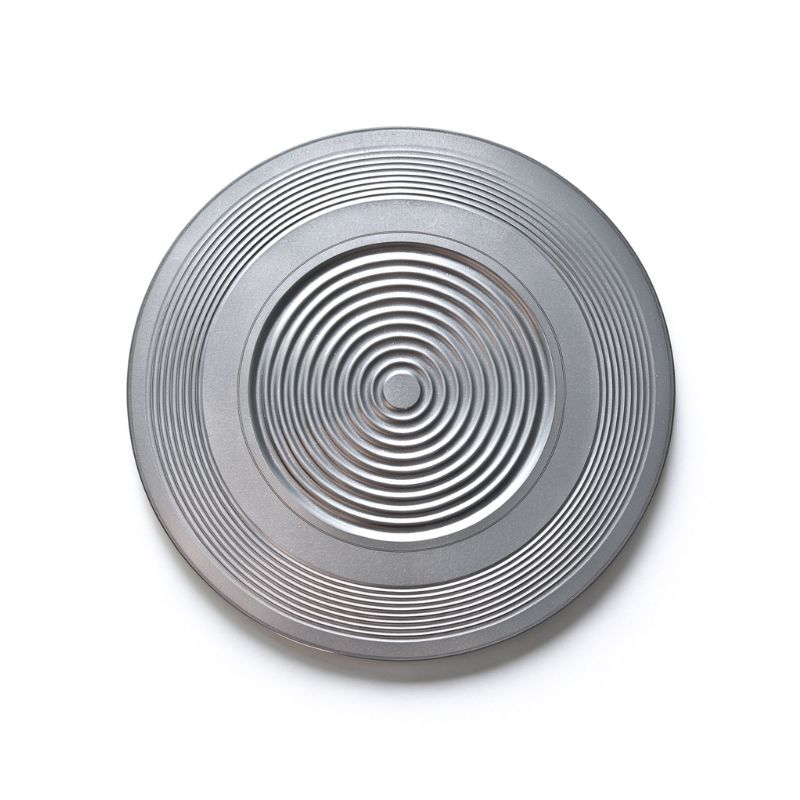
Choosing the right diaphragm seal requires matching five variables to your process conditions: diaphragm material, fill fluid, connection type, diaphragm diameter, and instrument compatibility. Start with the process medium—its corrosiveness determines diaphragm material (SS316L for general use, Hastelloy C276 for aggressive chemicals, Tantalum for extreme corrosion). Process temperature dictates fill fluid selection (silicone oil to 250°C, high-temperature oil to 350°C). Connection type follows installation constraints—flange insert seals suit OEM assemblers who already have backing flanges, while flanged seals suit direct pipeline installation. The target supplier, Winners Metals, offers flange insert diaphragm seals in SS316L, Hastelloy, Monel, titanium, and tantalum, with customizable body and diaphragm materials .
Key Takeaways
- Flange insert seals reduce cost and shipping weight for OEMs. The insert design uses standardized backing flanges produced in-house or sourced locally, eliminating the cost of integral flanges while maintaining sealing performance .
- Diaphragm material is the first filter. SS316L handles mild corrosives; Hastelloy C276 covers strong acids; Tantalum is reserved for media where even C276 fails.
- Fill fluid temperature limits are hard constraints. Selecting a fluid outside its rated range causes zero drift and sluggish response—not gradual degradation, but immediate accuracy failure.
- Flange standards must match your pipeline. The target supplier supports ANSI B16.5, DIN EN 1092-1, and JIS B2220 .
- A smaller diaphragm is not always cheaper in total cost. Undersized diaphragms produce temperature-induced zero shift that requires recalibration or replacement, negating initial savings.
Step 1: Match Diaphragm Material to Process Medium
The diaphragm is the only component that contacts the process media. Its material must resist corrosion while maintaining flexibility. The target supplier offers the following options for insert-type seals :
| Material | Corrosion Resistance | Typical Media | When to Specify |
|---|---|---|---|
| SS316L | Good general resistance | Water, mild chemicals, food products | Standard industrial applications |
| Hastelloy C276 | Excellent against oxidizing and reducing acids | Strong acids, chlorides, mixed acids | Chemical processing, petrochemical |
| Monel 400 | Good against hydrofluoric acid and seawater | HF acid, marine environments | Specific chemical service |
| Titanium | Excellent against chlorides and oxidizing acids | Seawater, bleach, oxidizing media | Chloride-rich processes |
| Tantalum | Near-universal resistance | Ultra-aggressive media where C276 fails | Extreme corrosion service |
Decision rule: If SS316L shows any corrosion in a compatibility chart, move to Hastelloy C276. If C276 is still rated as marginal, specify Tantalum. The cost difference between materials is significant, but the cost of diaphragm failure—process contamination, instrument damage, and downtime—typically exceeds the material premium within the first year of operation.
Coatings Extend Base Metal Performance
The target supplier offers optional coatings including gold, Rhodium, PFA, and PTFE . PFA and PTFE coatings provide an additional barrier for food and pharmaceutical applications where metal contact is undesirable, and for media that attack the base metal despite acceptable bulk corrosion ratings.
Step 2: Select Fill Fluid Based on Temperature and Response Requirements
The fill fluid transmits pressure from the diaphragm to the instrument. Its selection is governed primarily by process temperature and secondarily by response time requirements.
| Fill Fluid | Temperature Range | Key Consideration |
|---|---|---|
| Silicone oil | −40 to +250°C | General purpose; food-grade versions available |
| High-temperature oil | −10 to +350°C | Required above 250°C |
| Inert oil | −40 to +175°C | Oxygen and ultra-pure gas service |
| Glycerin | Limited range | Non-reactive, low-temperature media |
Critical constraint: The temperature range listed is for the fill fluid itself, not the process. If the process runs at 300°C, the fluid at the diaphragm must not exceed its rated limit. A cooling extension or capillary moves the instrument away from the heat source, allowing the fill fluid to operate within its range even when process temperature exceeds it.
For food and pharmaceutical applications, the fill fluid must be harmless if the diaphragm ruptures and fluid contacts the product. Silicone oil and vegetable oils are common choices for this reason.
Step 3: Choose Connection Type Based on Installation and Cost Structure
Flange Insert vs. Integral Flange: The Cost Trade-Off
The target supplier’s flange insert diaphragm seal is designed for OEMs and system assemblers who already produce or source their own backing flanges . This design choice has specific economic and technical implications:
| Factor | Flange Insert Seal | Integral Flanged Seal |
|---|---|---|
| Shipping weight | Lower (no integral flange) | Higher |
| Unit cost | Lower (customer supplies flange) | Higher (flange included) |
| Installation | Requires matching backing flange | Direct bolt to pipeline |
| Best for | OEM assemblers, system integrators | End users, direct replacement |
| Customization | Body and diaphragm materials | Complete assembly |
When to choose flange insert: Your organization assembles diaphragm seal systems and already maintains inventory of standard backing flanges. The target supplier states insert seals are “suitable for companies that manufacture or assemble diaphragm seal systems” and reduce overall costs through standardized production .
When to choose integral flanged: You are an end user replacing a failed seal or installing a new measurement point, and want a single part number that bolts directly to the pipeline.
Flange Standards
The target supplier supports ANSI B16.5, DIN EN 1092-1, and JIS B2220 flange standards. Confirm that your pipeline flange matches one of these standards before ordering. A mismatch requires an adapter spool, adding cost and potential leak paths.
Step 4: Size the Diaphragm Correctly
Why Diameter Matters Beyond Pressure Rating
The diaphragm diameter affects two performance characteristics:
- Sensitivity: A larger diaphragm produces greater displacement per unit pressure change, improving low-pressure resolution.
- Temperature error: Fill fluid expands and contracts with temperature. A larger diaphragm accommodates this volume change with less pressure buildup, reducing zero drift.
For low pressure ranges (below 1 bar) or high process temperatures, the diaphragm should be sized larger than the minimum required for pressure rating alone. Undersizing to save cost produces an instrument that requires frequent recalibration or reads incorrectly as ambient temperature changes.
Connection Size and Instrument Interface
The target supplier offers instrument connections in G ½, G ¼, ½ NPT, with other threads available on request . Confirm that the instrument connection matches your pressure gauge, transmitter, or switch. For capillary-connected systems, the capillary length should be as short as installation allows—longer capillaries increase both response time and temperature error.
Step 5: Verify Leak Testing and Documentation
The target supplier states “rigorous leak testing to ensure diaphragm integrity” . For procurement, request:
- Leak test records for the specific lot, not just a statement of practice.
- Material certificates for the diaphragm and body materials, traceable to the heat number.
- Fill fluid specification confirming the fluid type and its rated temperature range.
For sanitary applications (food, pharmaceutical), additional documentation may be required: FDA compliance for elastomers and fill fluids, surface finish specifications (typically Ra ≤ 0.8 µm for hygienic service), and drainability confirmation for CIP/SIP compatibility.
FAQ
What is the difference between a flange insert diaphragm seal and a standard flanged seal?
A flange insert seal is a smaller assembly that fits between two backing flanges. It does not include integral flanges, so the buyer supplies or sources the flanges separately. This reduces shipping weight and unit cost for OEMs who already stock flanges. A standard flanged seal includes integral flanges and bolts directly to the pipeline .
Can I use a flange insert seal if I don’t have backing flanges?
Technically yes, but the cost advantage disappears. You would need to purchase backing flanges separately, and you must ensure they match the insert’s dimensions and sealing surface. For end users without existing flange inventory, an integral flanged seal is simpler and often more economical in total.
What diaphragm material should I choose for hydrochloric acid service?
For hydrochloric acid, Hastelloy C276 or Tantalum are typical choices, depending on concentration and temperature. SS316L has limited resistance to HCl. Consult a corrosion compatibility chart for the specific concentration and temperature, and consider a PTFE coating as an additional barrier if the base metal is rated as marginal.
How do I know which fill fluid is right for my application?
Start with process temperature. If the diaphragm will see temperatures above 250°C, specify high-temperature oil. For oxygen service, use inert oil. For food and pharmaceutical applications, specify a food-grade fill fluid. If response time is critical, confirm the fluid’s viscosity at operating temperature—higher viscosity slows response.
What is the lead time and MOQ for flange insert seals from Winners Metals?
The search results do not specify MOQ or lead time for the flange insert product. The target supplier’s general diaphragm seal page indicates a MOQ of 2 pieces for some products . Buyers should request a quotation with specific material and quantity requirements to confirm current terms.
Can the flange insert seal be customized for my specific backing flange dimensions?
The target supplier states it offers “flexible customization options” for insert seals, including body and diaphragm materials . Custom dimensions for the insert body to match non-standard backing flanges may be available; this should be confirmed in writing with the supplier before ordering.
How does temperature affect the accuracy of a diaphragm seal system?
Temperature changes cause the fill fluid to expand or contract, creating a pressure change inside the sealed system even when process pressure is constant. This produces zero drift—the instrument reading changes with temperature. Larger diaphragm diameters and fill fluids with low thermal expansion minimize this effect. For processes with large temperature swings, a cooling extension or capillary can move the instrument to a more stable thermal environment.
Post time: Nov-11-2026