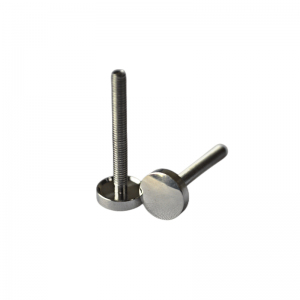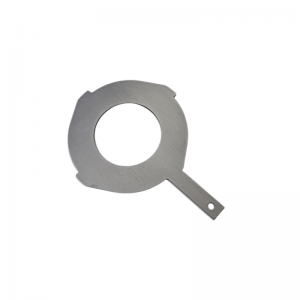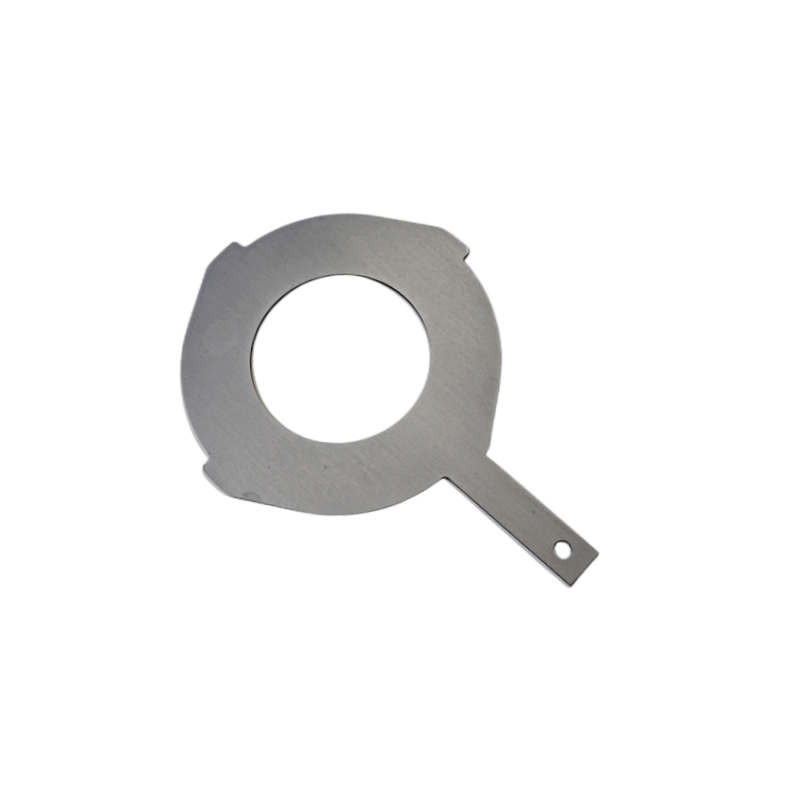
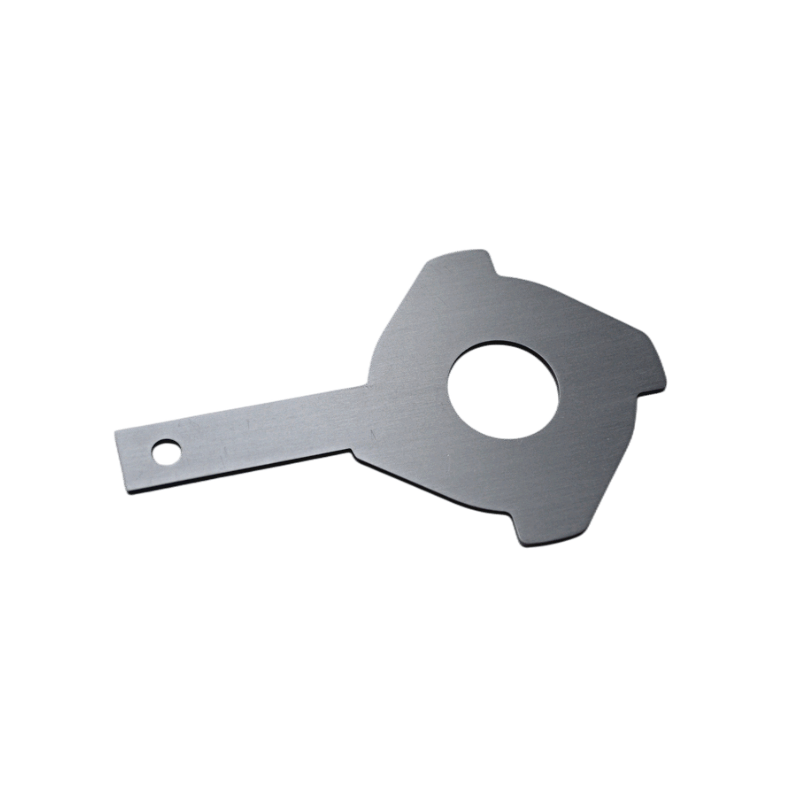
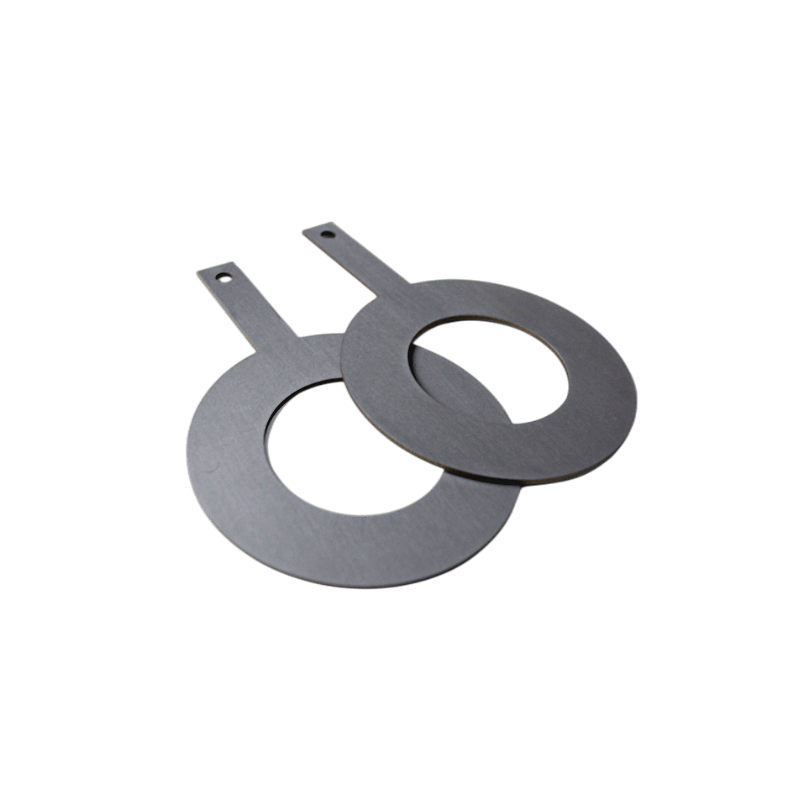

Grounding Ring for Electromagnetic Flow Meters


Product Description
The grounding ring is installed on the flanges at both ends (or one end) of the electromagnetic flowmeter sensor, and is usually bolted to the pipe flange. Its core function is to provide a reliable grounding point for the measured fluid, at the same potential as the sensor.
Electromagnetic flowmeters operate based on Faraday's Law of Electromagnetic Induction. Using a grounding ring ensures the stable and accurate operation of the electromagnetic flowmeter under harsh or special conditions, eliminating interference, establishing a stable reference potential, and protecting the core measuring element.

What is the Function of A Grounding Ring?
• Provides a stable electrical ground
• Protect instrument circuits
• Eliminate potential differences
• Improve measurement accuracy
When is A Grounding Ring Needed?
Prefer using grounding rings: When the pipe is non-metallic (such as PVC, PP) or has an insulating lining made of rubber, plastic, ceramic, etc., a grounding ring must be used because the fluid cannot be grounded through the pipe itself.
Consider using grounding rings: When the medium is highly corrosive, prone to crystallization, or when extremely high measurement requirements are needed, it is recommended to use grounding rings to protect the electrodes and obtain optimal measurement results.
Grounding electrodes can be used: In ordinary metal pipes and applications where the medium is non-corrosive or only weakly corrosive, the grounding electrode function built into the flow meter is usually sufficient.
Specifications
| Products Name | Grounding Ring |
| Application | Electromagnetic Flowmeter |
| Material | Tantalum, Titanium, SS316L, HC276 |
| Dimensions | Processed according to drawings |
| MOQ | Minimum order quantity varies depending on specifications; please contact us for details. |
Grounding Ring Material Selection
|
Material |
Applicable environment |
|
316L |
Industrial water, domestic water, sewage, neutral solution, and weak acids such as carbonic acid, acetic acid, and other weak corrosive media. |
|
HC |
Resistant to oxidative acids, such as a mixture of nitric, chromic, and sulfuric acids. Also resists corrosion from oxidizing salt or other oxidizing environments. Good corrosion resistance to seawater, salt solutions, and chloride solutions. |
|
Ti |
Corrosion resistant to seawater, various chlorides and hypochlorites, and various hydroxides. |
|
Ta |
Resistant to almost all chemical media except hydrofluoric acid. Due to the high price. It is only used for hydrochloric acid and concentrated sulfuric acid. |